


Justin Trudeau: The Politician Who Became the International Face of Modern Canada

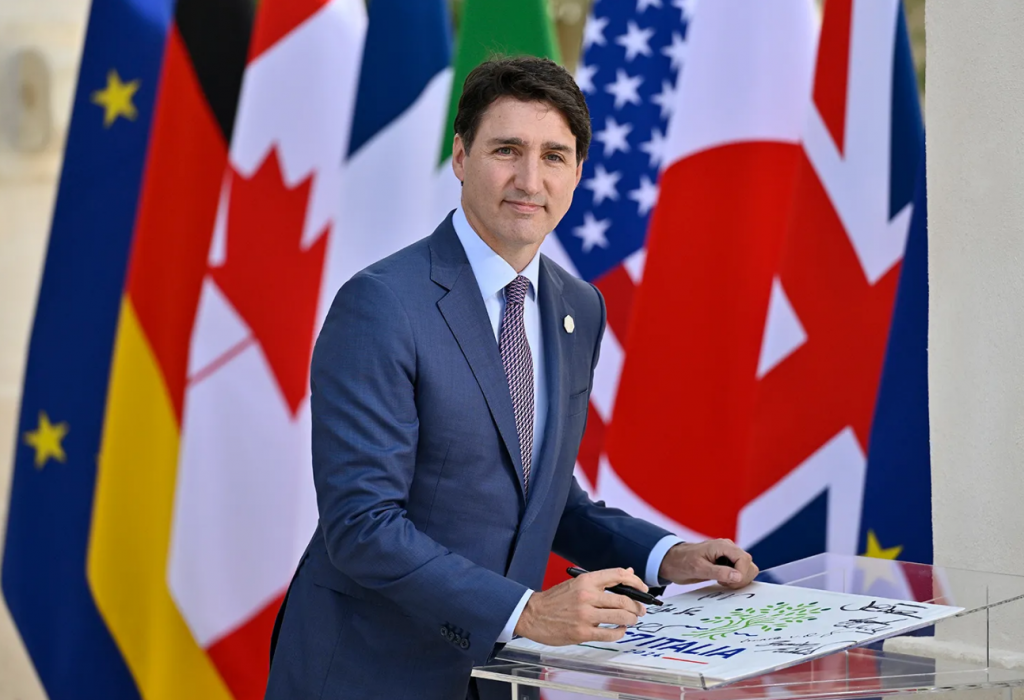
For nearly a decade, Justin Trudeau stood at the center of Canadian politics as one of the most recognizable leaders in the world. Admired by supporters for his progressive messaging and criticized by opponents for what they viewed as performative politics, Trudeau became far more than a typical prime minister. He evolved into a global political brand associated with modern liberalism, multiculturalism, and media-driven leadership.
Born in Ottawa in 1971, Justin Trudeau grew up surrounded by politics because his father, Pierre Trudeau, was already one of the most influential prime ministers in Canadian history. From childhood, Justin existed within public attention. Canadians watched him grow up through newspaper photographs, televised appearances, and political ceremonies. That visibility created expectations — both positive and negative — long before he entered politics himself.
For many years, Trudeau did not appear destined for political leadership. He worked as a teacher, participated in public speaking, and became involved in charitable and environmental causes. However, his communication skills and public charisma consistently attracted attention. Unlike many politicians who built careers through bureaucratic structures, Trudeau naturally connected with audiences emotionally and visually.
When he officially entered politics, critics initially dismissed him as inexperienced and overly dependent on his family name. Yet Trudeau quickly demonstrated a major political strength: he understood modern media environments exceptionally well. He communicated in ways that felt more personal, accessible, and optimistic than many traditional politicians.
His rise to leadership of the Liberal Party transformed Canadian politics dramatically. At the time, the Liberal Party had suffered major electoral defeats and was struggling to redefine itself. Trudeau helped rebuild enthusiasm around the party by presenting a message centered on optimism, diversity, inclusion, and generational change.
The 2015 Canadian federal election became a turning point both for Trudeau and for Canada’s international image. After winning decisively, Trudeau immediately attracted worldwide attention. International media portrayed him as a young, progressive leader arriving during a period when many countries were moving toward nationalism and political polarization.
Photographs, speeches, and interviews helped strengthen this image rapidly. Trudeau became associated with refugee acceptance, gender-balanced government appointments, climate change action, and multicultural policy. Supporters believed he represented a modern, globally minded vision of leadership. Critics argued the image often mattered more than practical outcomes.
One of Trudeau’s greatest political strengths has always been communication. He understands symbolism extremely well. Public appearances, speeches, social messaging, and visual presentation became central parts of his leadership style. In the digital era, where political narratives spread instantly online, this skill gave him enormous international visibility.
However, leadership also brought growing criticism. Over time, Trudeau’s government faced increasing pressure surrounding housing affordability, inflation, healthcare strain, immigration policy, and ethics controversies. Several scandals damaged his image, particularly among voters who once viewed him as representing a new political culture.
Critics often accused Trudeau of emphasizing progressive branding without delivering sufficient structural change. Some argued he relied too heavily on carefully managed public image rather than decisive governance. Conservative opponents portrayed him as disconnected from ordinary economic concerns affecting Canadians.
At the same time, Trudeau remained deeply popular among many progressive voters, particularly those who valued Canada’s multicultural identity and international reputation. His supporters frequently emphasized that he governed during unusually difficult global circumstances, including the COVID-19 pandemic and rising international instability.
The pandemic became one of the defining challenges of his leadership. Trudeau’s government introduced emergency financial support programs and public health measures that received both praise and backlash. Like leaders worldwide, he faced intense scrutiny regardless of policy direction.
Internationally, Trudeau continued functioning as one of Canada’s strongest global symbols. Foreign media often focused on him not only as a politician but also as a cultural figure representing a certain version of modern Western liberalism.
One reason Trudeau remains politically significant is because reactions toward him are so emotionally polarized. Supporters often see him as compassionate, progressive, and diplomatic. Critics frequently describe him as elitist, performative, or disconnected. Few modern Canadian leaders generated such strong opinions in both directions.
His leadership also reflects broader changes in politics itself. Modern political success increasingly depends not only on policy but on image management, emotional communication, and media adaptability. Trudeau mastered these areas better than most contemporary politicians.
Whether viewed positively or negatively, Justin Trudeau undeniably shaped Canada’s political identity during a transformative era. He became one of the defining Canadian political figures of the 21st century — not only because of his policies, but because of how completely he embodied the intersection of politics, celebrity, and modern media culture.

What do you think?
Show comments / Leave a comment