


Mary Simon: The Historic Indigenous Leader Who Changed Canada’s Highest Office

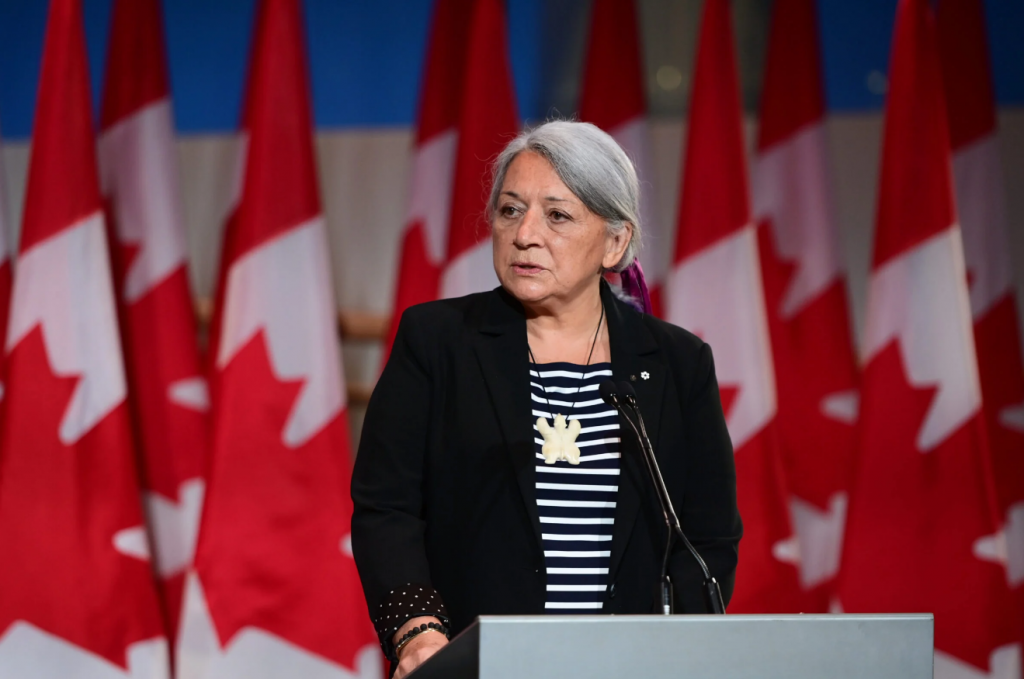
Mary Simon’s appointment as Governor General of Canada represented one of the most historically significant moments in modern Canadian public life. As the first Indigenous person ever to hold the position, Simon became a symbol of both institutional change and the country’s ongoing struggle to redefine its relationship with Indigenous communities.
Unlike many public figures who become famous through partisan politics or celebrity culture, Simon built her reputation gradually over decades of diplomacy, advocacy, and public service. Her influence emerged not from dramatic speeches or media spectacle, but from consistent work surrounding Indigenous rights, Arctic policy, and international cooperation.
Born in Nunavik in northern Quebec, Simon grew up within Inuit culture at a time when Indigenous communities in Canada faced deep political and social marginalization. Her early experiences shaped her lifelong focus on Indigenous representation, cultural preservation, and northern issues.
What makes Simon especially respected within Canada is her depth of experience. Before becoming Governor General, she spent decades working in leadership positions involving Indigenous organizations, diplomacy, and Arctic affairs. She became one of the country’s most recognized experts on northern sovereignty and Inuit policy.
Throughout her career, Simon advocated for Indigenous communities not only within Canada but internationally. She participated in negotiations, represented Inuit organizations globally, and worked on issues involving climate, environment, education, and cultural rights.
One of the defining aspects of Simon’s public image is calm authority. Unlike highly confrontational political figures, she communicates in measured and thoughtful ways. Her style reflects diplomacy rather than ideological combat. This approach helped her gain respect across political lines.
When Prime Minister Justin Trudeau announced Simon as Governor General in 2021, the decision immediately carried enormous symbolic weight. The Governor General represents the monarch within Canada and functions as one of the country’s highest constitutional offices. For an Indigenous woman to occupy that role marked a major moment in Canadian history.
Supporters viewed the appointment as evidence that Canada was beginning to recognize Indigenous leadership more meaningfully within national institutions. For many Indigenous Canadians, Simon’s appointment represented visibility and recognition long denied historically.
At the same time, the appointment occurred during intense national conversations surrounding reconciliation, residential schools, and systemic inequality affecting Indigenous communities. Because of this context, Simon’s role became connected to larger debates about Canada’s identity and historical responsibility.
Some critics argued symbolic appointments alone cannot solve structural issues facing Indigenous peoples, including housing inequality, healthcare access, education gaps, and violence against Indigenous women. However, even many critics acknowledged the historical importance of Simon’s appointment itself.
As Governor General, Simon’s responsibilities include representing Canada ceremonially, supporting national unity, and participating in constitutional duties. Yet because of her background, her presence naturally carries additional cultural meaning beyond formal responsibilities.
Simon also brought greater public attention to Arctic and northern issues, areas often overlooked in southern Canadian political discourse. Climate change, sovereignty, environmental transformation, and Indigenous life in the Arctic became more visible topics partly because of her expertise and advocacy.
Another aspect of Simon’s significance is generational. Younger Canadians increasingly expect national institutions to reflect diversity more visibly and authentically. Simon’s appointment aligned with these broader social changes regarding representation and inclusion.
Despite holding a highly symbolic office, Simon’s influence extends beyond symbolism. Her decades of experience give her unusual credibility on matters involving Indigenous communities and Arctic diplomacy. She is not simply a ceremonial figure placed into history for appearance; she is someone who spent much of her life shaping policy conversations directly.
Internationally, Simon also strengthened Canada’s image as a country attempting to confront historical injustice while redefining national identity. Whether Canada has succeeded in that effort remains deeply debated, but Simon became one of the central faces of that process.
What makes Mary Simon especially important in Canadian history is that she represents continuity between activism, diplomacy, and institutional recognition. Her career demonstrates how long-term advocacy can eventually reshape even the highest levels of national leadership.
For many Canadians, Simon symbolizes dignity, resilience, and historical progress. For others, she represents an important reminder that reconciliation requires far more than symbolic milestones. In either case, her appointment permanently changed how Canada’s highest public office is understood.

What do you think?
Show comments / Leave a comment